
All courses -50%. Only until the end of September!
Disruptive behaviour can have many causes – biological, emotional, social, or school-related.
A student may:
interrupt lessons, use inappropriate language, damage property, or get into fights
defy instructions, skip classes, or openly challenge the teacher’s authority
The sources of these problems vary and may include:
biological factors (e.g. hyperactivity, cognitive challenges)
family and social factors (e.g. dysfunctional home environment, lack of support)
school-related factors (e.g. overcrowded classrooms, lack of individual support, academic overload)
Understanding that every behaviour has a cause is the first step to responding effectively. As Jesper Juul put it: Every child’s behaviour makes sense when we look at it in the right context.
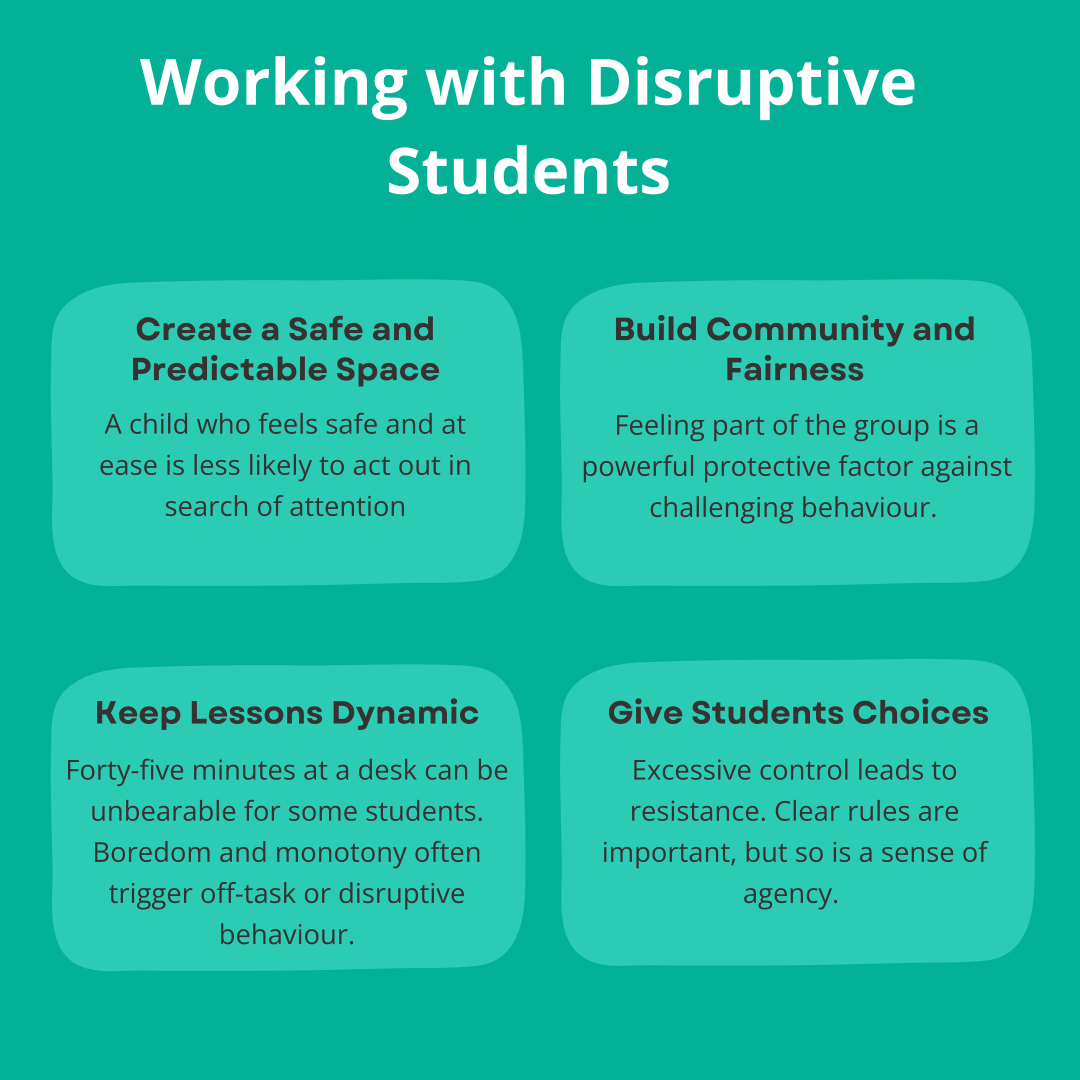
A child who feels safe and at ease is less likely to act out in search of attention. You can help by:
providing a consistent seat or place in the classroom
using simple routines (greetings, end-of-class reflections)
keeping the classroom tidy and aesthetically pleasing
setting clear rules for personal space and belongings
These small steps reduce anxiety and build a sense of belonging.
Feeling part of the group is a powerful protective factor against challenging behaviour. That’s why it’s important to:
treat all students fairly
avoid favouritism or labelling
respond firmly to peer exclusion and bullying
Remember: fairness doesn’t mean treating everyone the same – it means treating each student with respect and consideration for their individual needs.
Forty-five minutes at a desk can be unbearable for some students. Boredom and monotony often trigger off-task or disruptive behaviour. To prevent this:
include movement, music, and games in your lessons
allow short “brain breaks” or energisers
use humour – a well-timed joke can ease tension and refocus attention
Excessive control leads to resistance. Clear rules are important, but so is a sense of agency. You can nurture it by allowing students to:
choose their tools or materials
decide how they complete a task
co-create classroom rules and expectations
This not only reduces resistance, but also teaches responsibility and independence.
Use giraffe language, not jackal language – show empathy rather than judgement or criticism
Ask open-ended questions instead of “Why did you do that?” – to avoid triggering defensiveness
Build bridges in communication – eye contact, active listening, acceptance
Apply the halo effect – focus on students’ strengths to avoid trapping them in a “problem child” identity
When a student behaves disruptively, it’s often a sign that something in their world needs support.
Your response – calm, consistent, and empathetic – can change not just the direction of the lesson, but the student’s whole school experience.
Remember: consistency, respect, and flexibility are the pillars of effective classroom management.

