
All courses -50%. Only until the end of September!
Below you’ll find five practical strategies—based on both teachers’ experience and tried-and-tested communication techniques—that will help you develop strong, respectful, and effective partnerships with parents.
Consistent communication is the foundation of any successful partnership. It’s not just about holding two formal meetings a year. A clear schedule is far more effective—such as one class meeting per term, brief monthly consultations, and open-door days (either in-person or online).
This way, parents know when to expect feedback, and you have opportunities to address small issues before they grow into major problems.
It’s also a good idea to end each meeting with a short summary and agreed actions, sent via email or your digital classroom platform. This helps to keep communication clear and builds trust.
Parents often have busy schedules, and fast digital contact is a huge advantage for them. Tools like class platforms, email, or chat groups can make communication quick and simple—whether it’s about reminders, rescheduled meetings, or sharing materials.
However, to avoid chaos and burnout, it’s important to set boundaries. Be clear about when you respond to messages, which topics are suitable for quick updates, and which need face-to-face conversation.
At the start of the year, consider creating a short “information sheet” outlining these communication rules for all parents.
Not everything can be discussed in a group setting. Parents are more likely to share personal concerns—whether family issues, health matters, or financial difficulties—when speaking one-to-one. These meetings are a chance to understand the student’s full context and find tailored solutions.
Use a simple conversation structure:
Start with positives → Share facts about the issue → Work together on solutions → End by highlighting the child’s strengths.
This lowers tension and helps parents feel like partners, not like they’re being blamed.
Conflicts between teachers and parents are inevitable. The key is not whether they happen—but how you handle them.
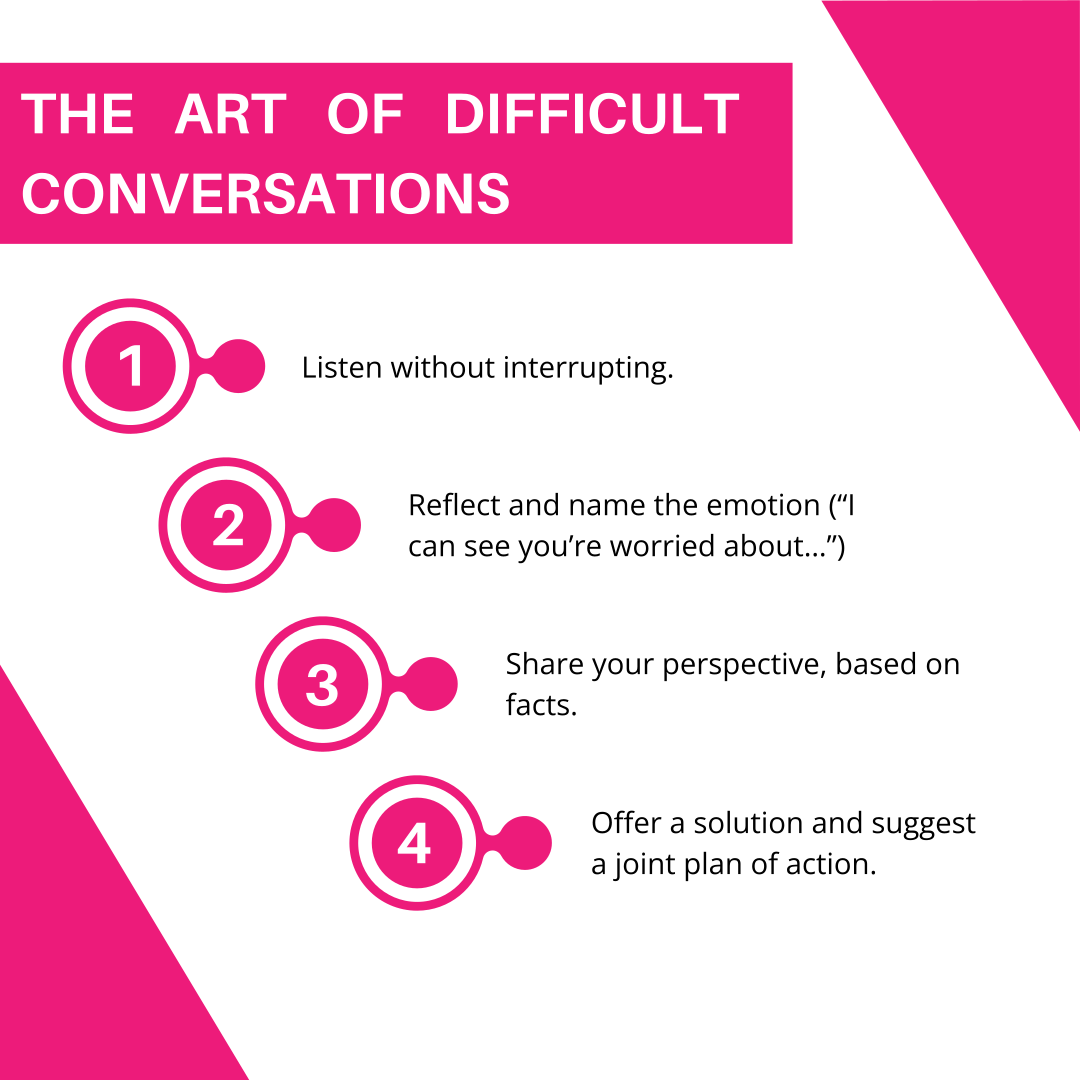
When a parent approaches you emotionally, try using this four-step approach:
Listen without interrupting
Reflect and name the emotion (“I can see you’re worried about…”)
Share your perspective, based on facts
Offer a solution and suggest a joint plan of action
Empathy and assertiveness must go hand in hand. When a parent feels heard and respected, it becomes much easier to reach agreement and cooperation.
Relationships shouldn’t be limited to meetings and consultations. Much better results come from involving parents in everyday school life—events like picnics, trips, open days, or classroom projects.
Shared activities create opportunities to connect, build trust, and foster a sense of belonging.
You might ask parents to support with planning and logistics (e.g. organising decorations, managing transport), or to contribute their professional expertise during lessons. This shifts the dynamic—parents stop being “observers” and become co-creators of the learning environment.
Strong teacher–parent relationships don’t happen by chance. They require intention, consistency, and an open attitude. The key is to keep communication predictable, set clear boundaries, and treat parents as partners.
When this happens, schools gain stronger support, teachers experience greater peace of mind, and students benefit from the best possible conditions to grow and thrive.

