
All courses -50%. Only until the end of September!
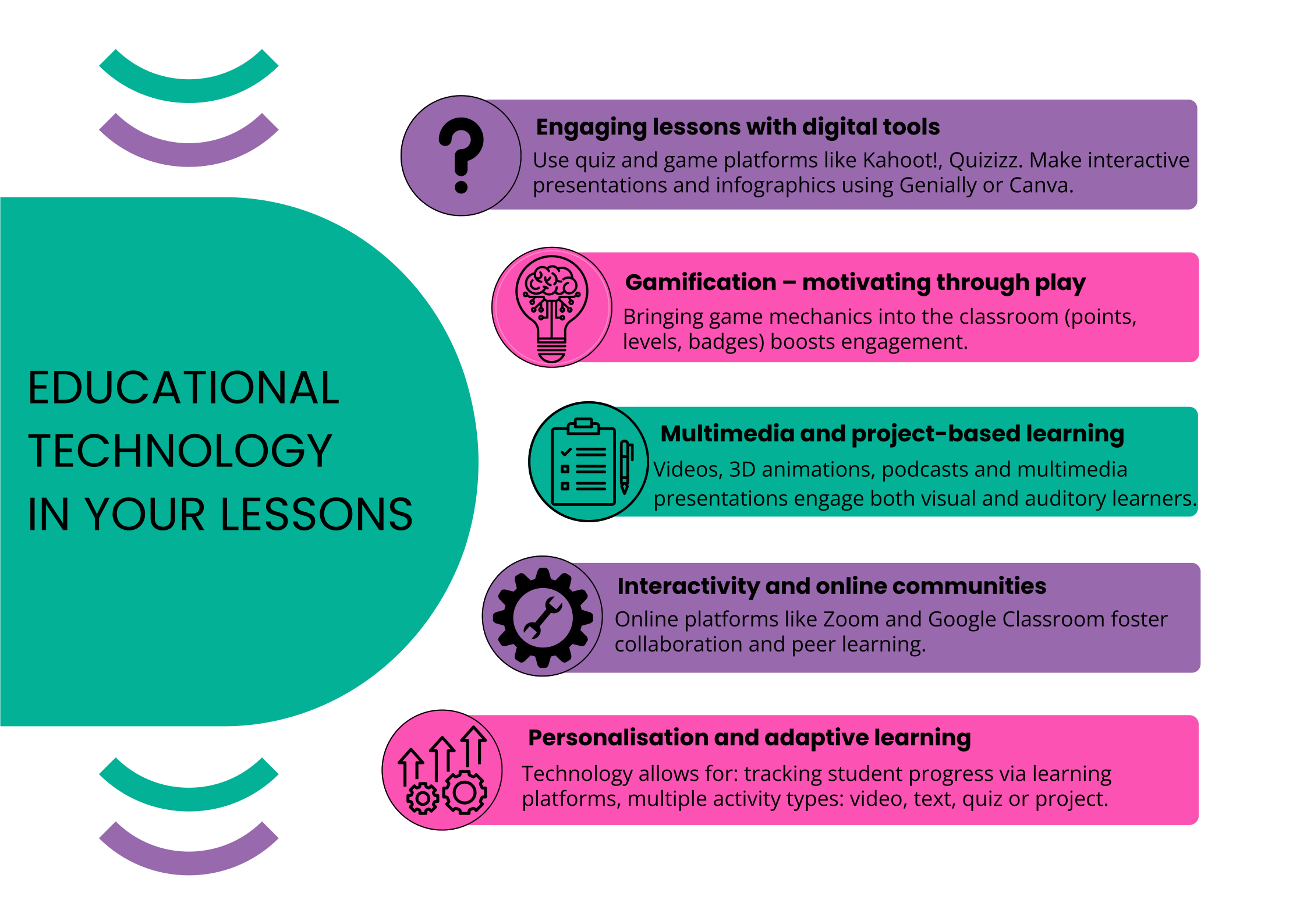
1. Engaging lessons with digital tools (ICT)
Digital tools increase teaching efficiency and enhance student motivation. Examples include:
Quiz and game platforms like Kahoot!, Quizizz,
Interactive presentations and infographics using Genially or Canva,
Smartphone-based learning tasks.
Such tools turn each task into an exciting challenge rather than a chore.
2. Gamification – motivating through play
Bringing game mechanics into the classroom (points, levels, badges) boosts engagement. Key elements:
Clear goals and rewards,
Friendly competition and collaboration,
Immediate feedback and emotional engagement.
Gamification works across subjects and age groups.
3. Multimedia and project-based learning
Videos, 3D animations, podcasts and multimedia presentations engage both visual and auditory learners. Technology-supported projects spark creativity, facilitate content delivery and blend assessment with independent learning.
4. Interactivity and online communities
Online platforms like Zoom and Google Classroom offer:
Real-time quizzes and polls,
Group work in breakout rooms,
Discussion forums and chats.
These tools foster collaboration and peer learning.
5. Personalisation and adaptive learning
Technology allows for:
Tracking student progress via learning platforms,
Self-paced learning (as in e-learning),
Multiple activity types: video, text, quiz or project.
This flexibility enhances engagement and reduces stress.
Higher motivation and attention – Interactivity and emotion fuel genuine interest.
Improved outcomes – Gamification enhances results and analytical thinking.
More effective teaching – Variety caters to diverse learner needs.
Pick one tool and learn how to use it (e.g., Kahoot!, Genially).
Add one interactive activity per lesson—like a quiz every 20 minutes.
Try basic gamification: award points or badges for participation.
Ask students for feedback to see what truly works.
In the 21st century, the teacher is more of a mentor than a lecturer. Technology enables open, tailored work with students. It creates an opportunity to increase student engagement and develop a reflective approach to learning.
When applied intentionally and methodically, technology offers real benefits:
Greater engagement,
Improved results and motivation,
Effective teaching tailored to students’ individual needs.
Want to see it in action?
Check out our training courses on ICT and video-based lessons – they offer practical tools and lesson plans ready to use in your classroom!

